Why your AI output might not be your IP. You just used ChatGPT, Midjourney, or another AI tool to generate your next product design, pitch deck, or piece of code. Looks great. But here’s the question: who actually owns it?
The short answer:
It depends on where you are — and how much human creativity was involved.
🇪🇺 EU: Copyright requires “original human expression.” AI-generated work without significant human input isn’t protected. (See: EUIPO & CJEU guidance, 2024.)
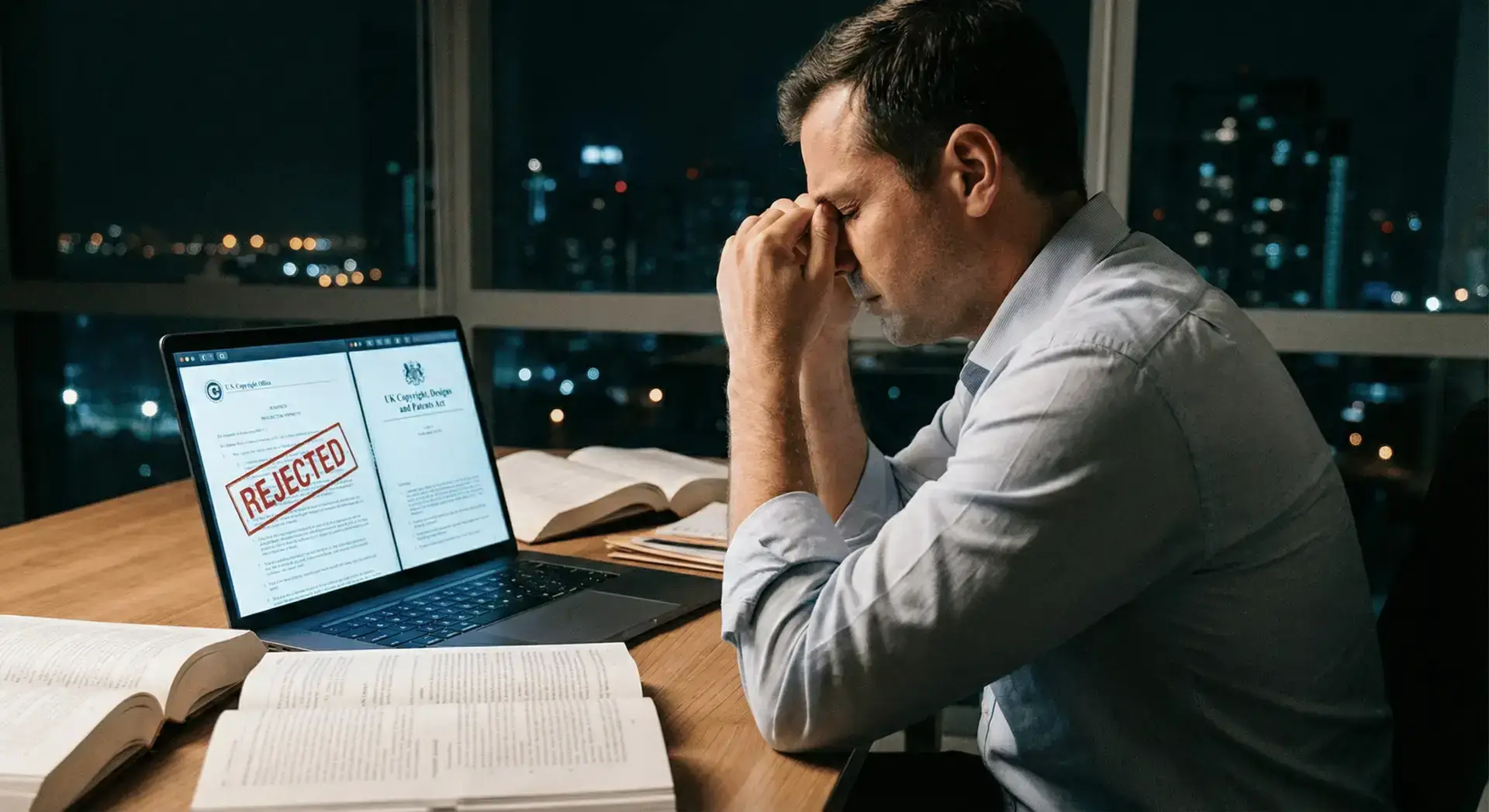
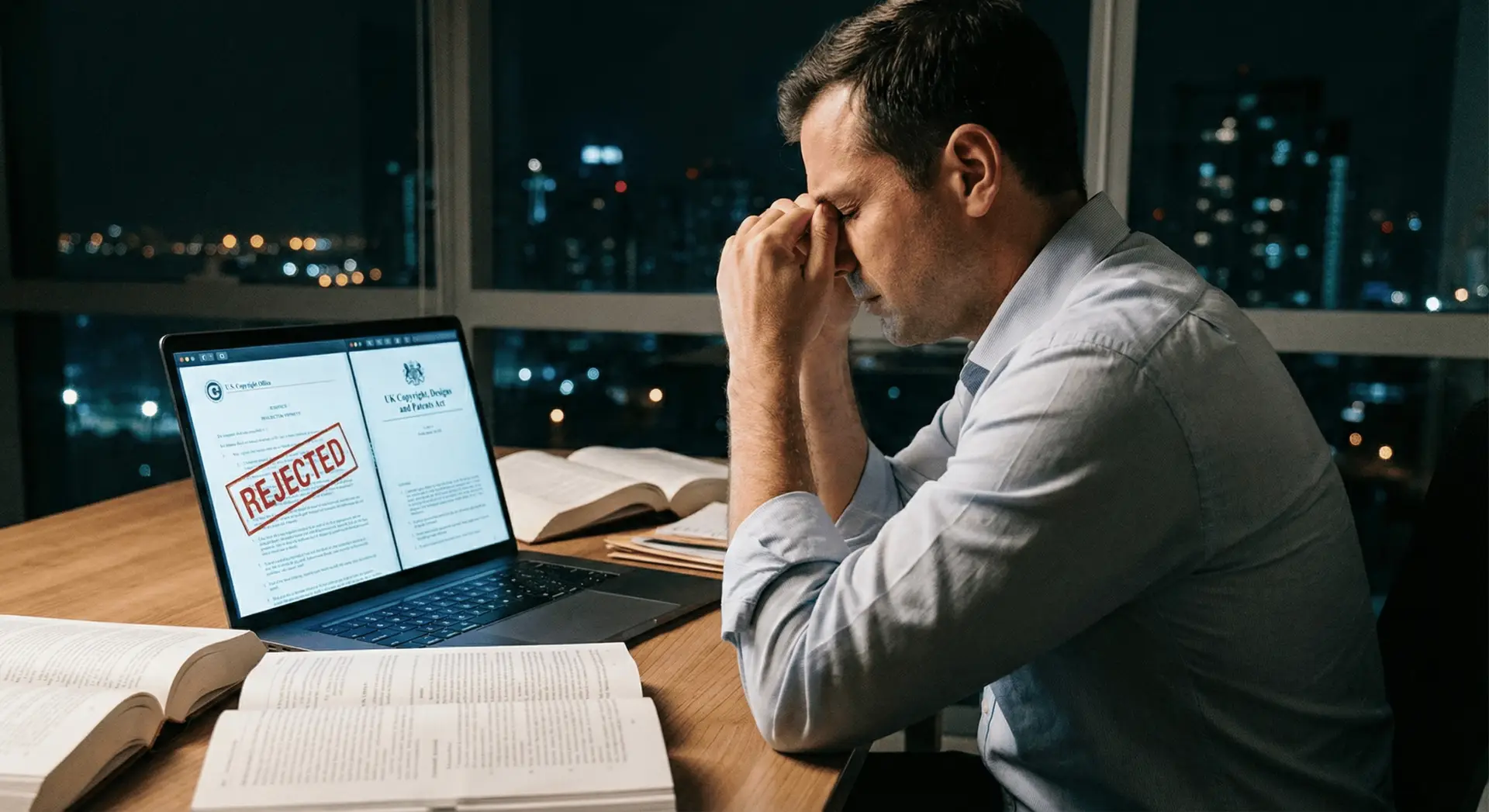
🇺🇸 US: The U.S. Copyright Office rejects AI-only works. In Thaler v. Perlmutter (2023), it ruled that images created solely by AI are not copyrightable — no human author, no protection.
🇬🇧 UK: More flexible. Under the Copyright, Designs and Patents Act, the person who made the arrangements for the creation can be considered the author — even if AI did the actual work.
Real example
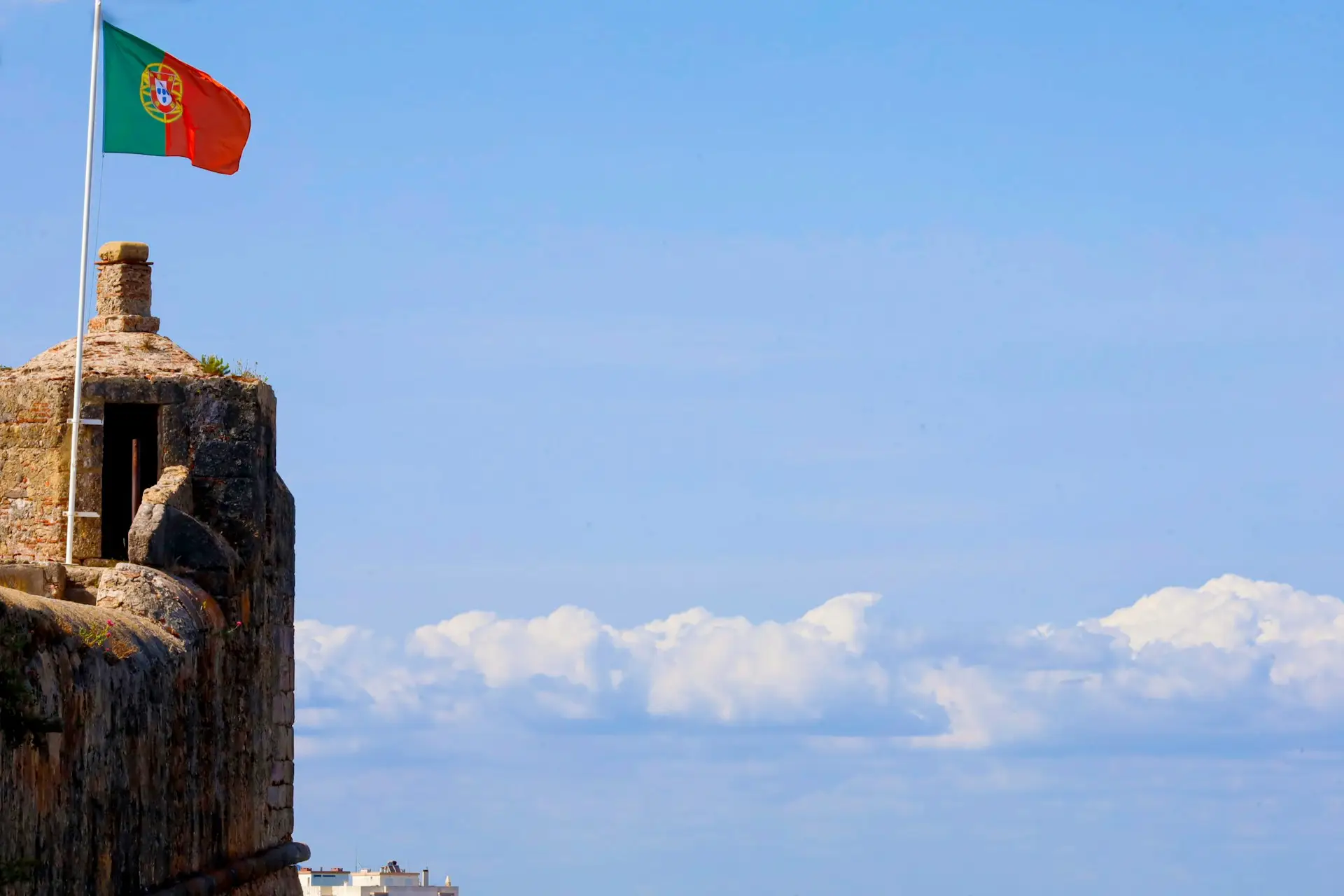
A Lisbon-based marketing startup used an AI tool to generate product visuals for a client.
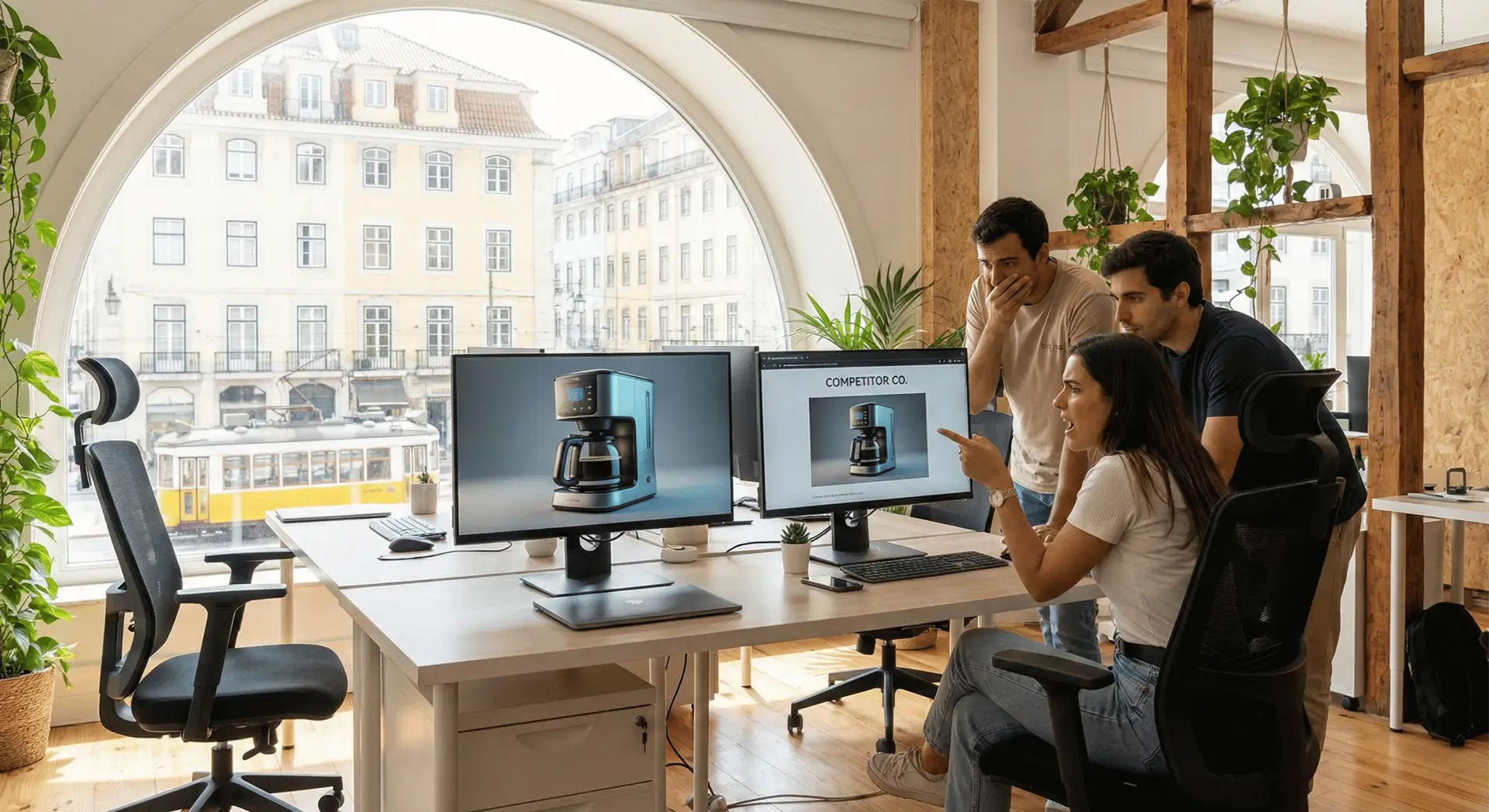
Months later, the same image appeared in another company’s campaign.
When they tried to file a takedown, the platform rejected it — the image had no copyright protection, since it was created entirely by AI.
The startup hadn’t edited, guided, or added original input.
In the eyes of the law, the image belonged to no one.
How to protect yourself
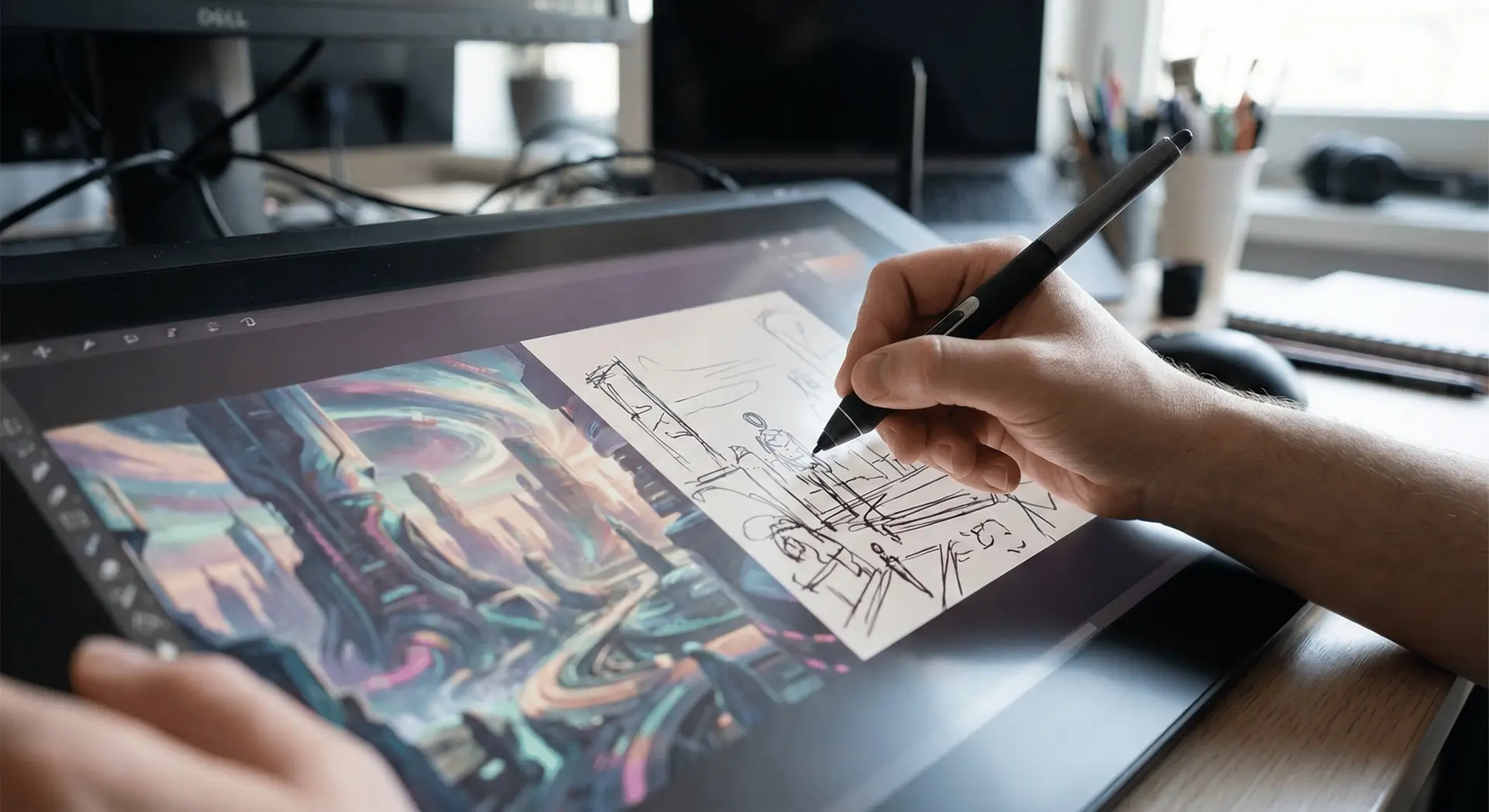
✅ Add human authorship: Edit, curate, or direct the creative process meaningfully.
✅ Clarify IP ownership in contracts: “All AI-generated materials shall be subject to human review and adaptation by [Company], which shall be deemed the author and owner.”
✅ Check platform terms: Some tools (like Midjourney) grant commercial rights, others (like free AI APIs) retain usage rights.
✅ Register derivative works: If humans add sufficient originality, that version can qualify for protection.
Bottom line
AI can generate content — but only humans can create copyright.
If you want to truly own your output, make sure your creativity shows up in it — and in your contracts.
📚 Extra Reading: