Blockchain agreements: avoiding ambiguity, manifesting assent.
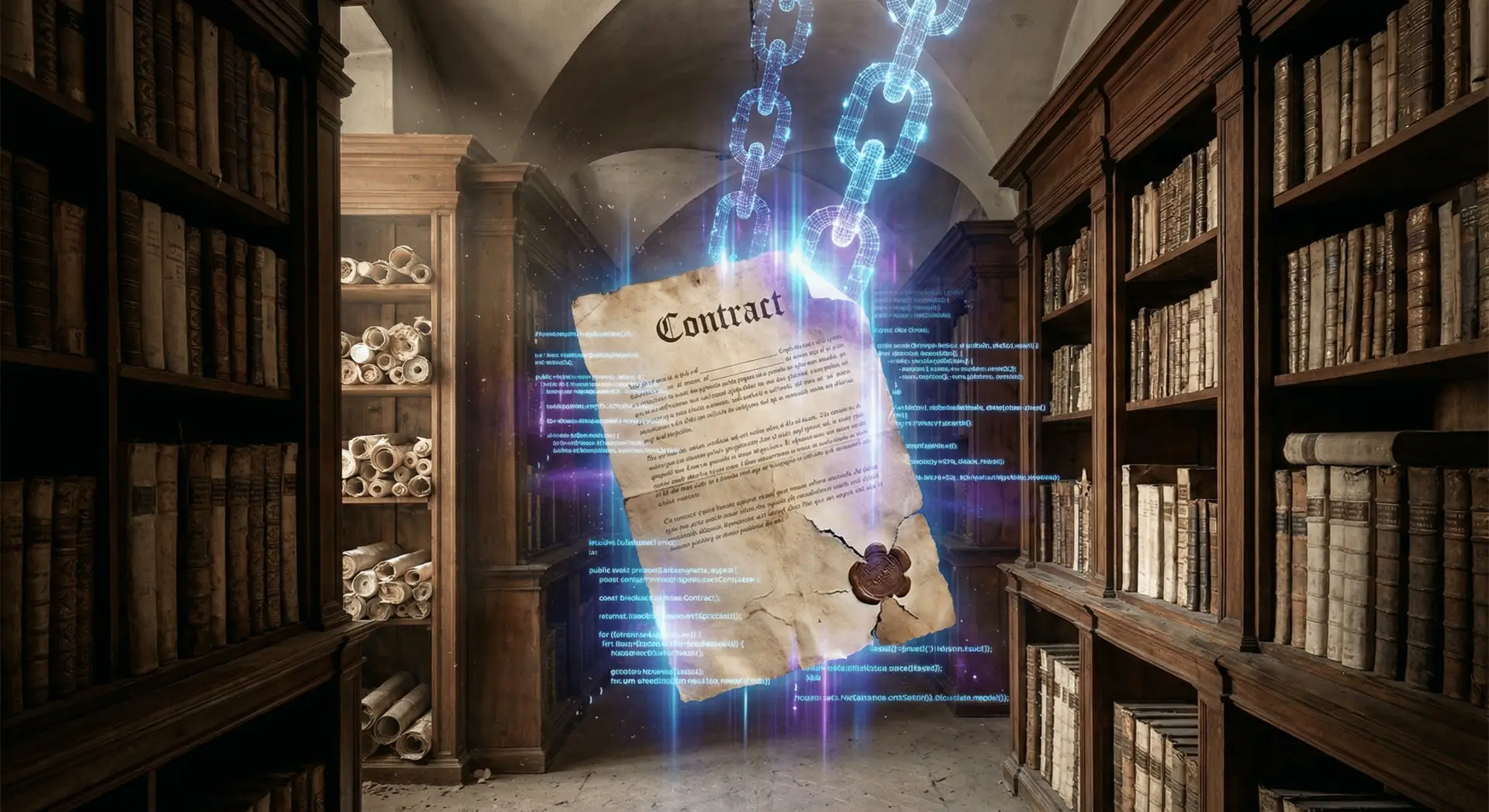
For blockchain to move from innovation to mass adoption, it needs something most people overlook — legally binding agreements that courts can recognize.
That sounds simple, but it’s not.
Because the legal foundation of contracts — notice and assent — doesn’t translate cleanly to decentralized systems.
Why This Matters
Courts expect two things to make an agreement enforceable:
1️⃣ The user must clearly see the terms.
2️⃣ The user must clearly accept them — usually through an explicit action like clicking “I agree.”
In the blockchain world, that’s a problem.
Wallet signatures happen automatically, without legal context.
NFT buyers rarely click to accept terms.
And smart contracts execute by code, not by consent.
Result? Many on-chain transactions that feel like contracts may not actually hold up in court.
Real example

An NFT marketplace in California linked its “Terms of Sale” in tiny gray text at the bottom of the page.
When a dispute arose over royalties, the seller argued they had never agreed to those terms — and the court agreed.
Drawing from Berman v. Freedom Financial Network (9th Cir., 2022), the judge held that simply hosting terms wasn’t enough; the user needed clear notice and an affirmative action to accept them.
That’s the same principle that will test many decentralized platforms in the years ahead.
Innovative Solutions Emerging
New hybrid approaches aim to combine smart contracts with traditional legal formation:
• MetaLex’s CyTE app creates a dual system — a standard “wet” written contract and a mirrored on-chain smart contract.
• Parties sign through their wallets, but they’re also signing a legally valid document that defines governing law and dispute resolution.
• The smart contract only automates execution (escrow, token exchange), not the legal intent.

This model keeps code and law working in parallel — instead of pretending one replaces the other.
The Takeaway
“Code is law” might sound futuristic, but courts still care about:
✅ Clear notice of terms.
✅ Clear manifestation of assent.
✅ A defined governing law and dispute resolution mechanism.
Smart contracts can automate performance — but legal enforceability still depends on human clarity.
📚 Extra Reading:
• https://law.justia.com/cases/federal/appellate-courts/ca9/20-16900/20-16900-2022-04-05.html